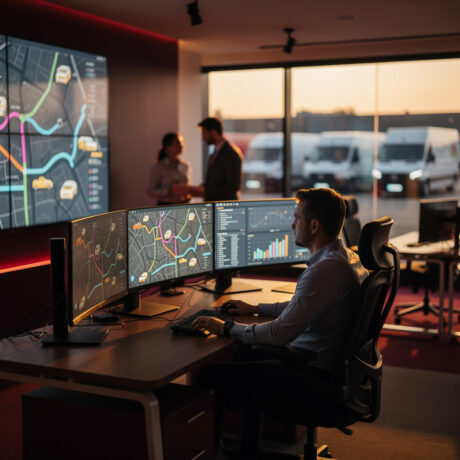
You’re sitting at your desk, staring at a client brief that’s asking more than your current editing software can deliver—without charging you an arm and a leg for upgrades. You’ve heard whispers about Lightworks, but is it really worth switching? What does the market say?
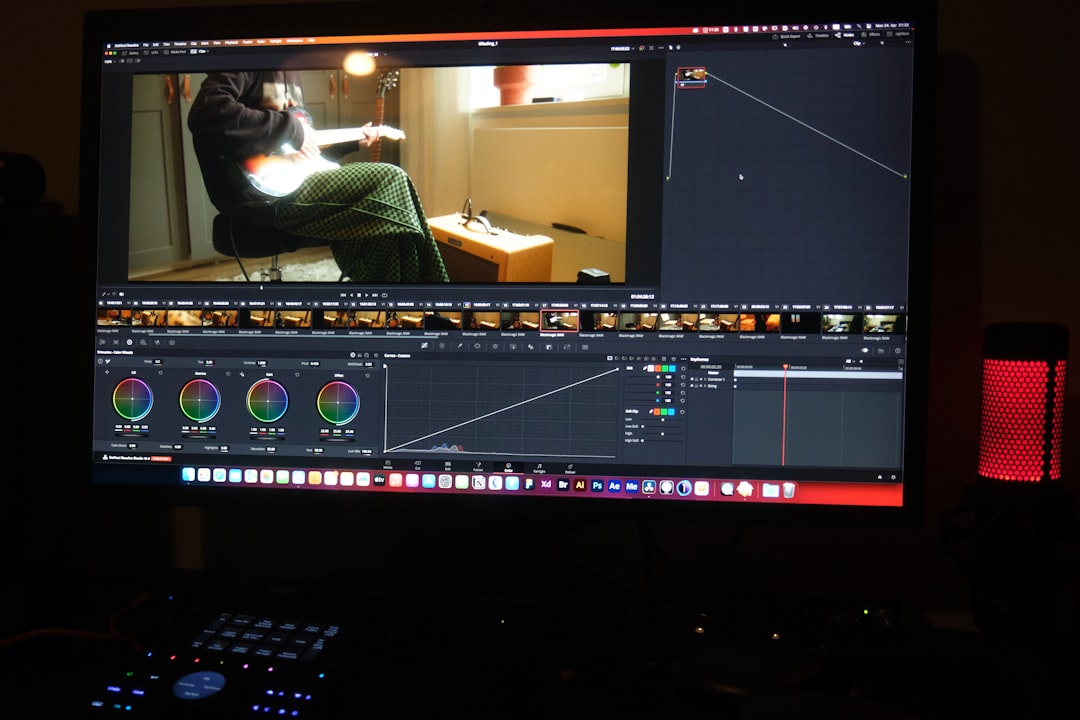
If this sounds familiar, you’re not alone. Many editors face tough choices when balancing performance, cost, and flexibility in their workflow—and the economic landscape around editing software has shifted dramatically in recent years.
The Price Puzzle in Video Editing Tools
There was a time when high-end video editing meant buying expensive software licenses and dealing with clunky updates. Now, cloud-based solutions and flexible pricing models dominate the space—but confusion reigns too.
So where does Lightworks fit into all this? Originally built for Hollywood pros, Lightworks made waves by going free-to-use without dumbing down its features. This isn’t just marketing fluff—it reflects genuine changes in how creators work and what they’re willing to pay for.
- Economic pressure from indie filmmakers pushing demand for affordable pro-grade tools
- Shift away from one-time purchases toward subscription or freemium models
- Rise of collaborative workflows requiring integrated sharing and version control
- Demand for cross-platform compatibility across Windows, Mac, and Linux
“Tools shape workflows as much as workflows shape tools.” — Industry veteran
A Closer Look att Lightworks’ Strategic Position
Let’s talk strategy. If you were building a video editing platform today, how would you price it? You need revenue, sure—but undercutting established players while delivering power user capabilities is no small task.
This is exactly what makes Lightworks so interesting from a market analysis standpoint. It didn’t try to compete head-on with monthly fee giants. Instead, it offered professional-level access at zero upfront cost, betting on future monetization through premium add-ons or optional services.
Imagine being able to walk into a room full of editors armed only with core Lightworks skills and walk out having done work indistinguishable from someone using pricier alternatives. That kind of value proposition doesn’t go unnoticed—even if it doesn’t always hit headlines.
Case Study #1: Indie Filmmaker Scaling With Light Budgets
Here’s a real-life example: An independent documentary filmmaker needed robust editing tools but had little budget beyond her own sweat equity. She chose Lightworks early on—not because she knew it well, but because she could afford to experiment.
Fast forward two years, and that project turned into a festival darling. But here’s the kicker: she never paid a dime for her primary editing environment. Yes, there were other costs (hardware, plugins), but those pale compared to licensing fees others faced with top-shelf suites.
That’s the hidden economics of choice: sometimes the cheapest option with the highest ceiling wins—not the flashiest one with the monthly reminder email.
Market Trends Reshaping the Field
We’ve seen a quiet revolution happen in creative software markets over the past decade. Users aren’t just consumers anymore—they’re collaborators, reviewers, evangelists. And companies have started responding accordingly.
In this new world, offering advanced functionality for free can be smarter than gatekeeping behind paywalls. As long as users stay engaged and productive, the long-term ROI often justifies initial giveaways. For platforms like Lightworks, community traction translates directly to influence in tech partnerships, plugin development, even future feature roadmaps shaped by actual usage data.
- Increase in remote collaboration driving demand for accessible yet capable tools
- Growing importance of export versatility due to diverse distribution channels
- Tighter integration expectations among audio mixing, color grading, and basic effects
- Need for consistent interface logic despite growing tool complexity
All these trends favor adaptable systems. Systems that let professionals grow organically rather than forcing them into rigid tiers of capability based purely on price point.
Case Study #2: Studio Adopting Lightworks for Intern Training
One mid-sized studio took a calculated risk last year: Instead of training interns exclusively on their main NLE system—which requires expensive floating licenses—they rolled Lightworks onto secondary machines meant for learning and experimentation.
The result surprised many seasoned staffers. New hires came onboard faster, already comfortable with timeline manipulation, proxy handling, and multi-cam setups—all taught using freely available resources online and supported by the same engine powering commercial projects elsewhere in the building.
Think about that ripple effect. By lowering barriers to entry internally, they reduced ramp-up time significantly—turning raw talent into usable contributors sooner. In business terms, that means better resource allocation, less wasted overhead during trial periods, and potentially stronger loyalty from emerging talent who grew alongside the brand.

Evaluating Return on Investment for Skill Investment
Learning something new always involves opportunity cost. Time spent mastering Lightworks is time not spent refining skills elsewhere—which is why looking at the broader ecosystem matters.
Unlike niche tools tied to proprietary formats or locked-down environments, Lightworks aligns closely with industry standards. Projects created in it translate smoothly into post pipelines used by larger studios, broadcasters, and agencies. That interoperability adds weight to every hour invested—you build both muscle memory AND portable knowledge.
You might be wondering whether such considerations matter unless you plan to switch jobs constantly. They do, even if indirectly. Flexibility breeds confidence, and market-ready skills attract opportunities.
Putting Economics Into Practice
Enough theory. How does this look in practice? Consider this checklist next time you evaluate an editing solution:
- Total Cost of Ownership – Factor in hardware, support, upgrade paths
- Collaboration Readiness – Can others easily open your files or join your session?
- Skill Transfer Potential – Will I gain broadly applicable expertise or vendor-specific quirks?
- Futureproofing – Is the company financially stable? Who backs continued development?
When viewed through this lens, Lightworks stands out. Not because it’s perfect, but because it addresses each category meaningfully without demanding unreasonable sacrifices up front.
Your Next Step Forward
Whether you’re curious enough to explore alternative editing workflows, frustrated by rising software costs, or simply want to round out your skill set—there’s no harm in seeing firsthand what sets Lightworks apart.
And if you’re ready to dive deeper, consider checking out how structured learning paths at Lightworks help bridge gaps between casual interest and production readiness. Whether self-directed or instructor-led, investing in understanding tools that match modern realities pays dividends far beyond keystrokes saved.
Ready to give it a shot? There’s no better time than now.