
You’ve just wrapped up your latest project. Team meetings, deadlines, last-minute pivots — it was a whirlwind. Now, what do you do? Most people dive straight into the next task. But here’s the thing: if you’re not doing a post-project review, you’re missing out on one of the most powerful tools for growth in management.
Why Skipping the Review Is a Missed Opportunity
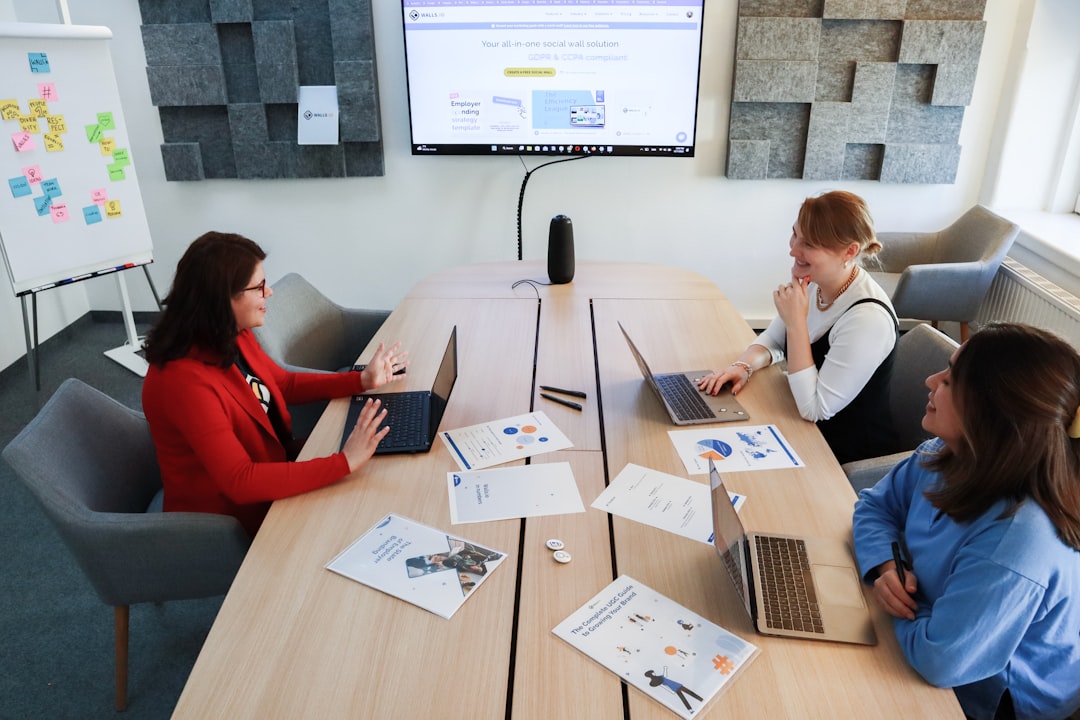
Let’s imagine two managers. Both lead teams through complex projects. One wraps up, checks off tasks, and moves on. The other pauses for 30 minutes with the team to reflect on what went well, what didn’t, and how they can improve. Over time, which manager becomes more effective?
The second one, obviously. And yet, so many leaders skip this vital step. Why? Often because it feels “extra” or time-consuming. Or worse — uncomfortable. Because reviewing a project honestly means facing mistakes as well as successes.
“If you don’t look back, you’ll never move forward.” – A principle every great leader knows.
This isn’t about blame or finger-pointing. It’s about turning experience into insight. That’s where post-project reviews really shine in the world of Management.
What Exactly Is a Post-Project Review?
A post-project review (also called a project retrospective) is a structured discussion held after completing a project. Its purpose? To evaluate performance, capture lessons learned, and identify actionable improvements for future work.
Think of it like debriefing after a football game. You don’t just celebrate the win or dwell on the loss — you analyze plays, adjust tactics, and prepare smarter for the next match.
In management, these sessions help teams grow together. They turn individual experiences into shared knowledge. And when done right, they become one of your strongest tools for consistent improvement.
How Top Managers Run Effective Reviews
Running an effective post-project review takes skill — and practice. But there are proven methods that make all the difference:
- Set Clear Intentions: Before the meeting starts, define whether you’re focusing on process, communication, resource allocation, or something else entirely.
- Involve Everyone: Each member played a role. Their insights matter — especially those who worked hands-on during execution.
- Keep It Safe: Create psychological safety so people can speak openly without fear of criticism or judgment.
- Focus On Systems, Not People: Address processes, not personalities. This keeps discussions forward-looking rather than backward-blaming.
- Capture Actionable Takeaways: End with specific changes you’ll implement moving forward — even small ones count.
Timing Matters
Don’t wait too long. Emotions fade fast, details blur, and momentum stalls. Aim to hold your review within a week of closing the project while memories are still fresh.
You might be wondering how long these sessions should take. For most mid-sized projects, aim for 60–90 minutes. Anything shorter may miss nuance; anything longer risks fatigue and repetition.
Your Step-by-Step Framework for Success
Still unsure where to begin? Here’s a simple but powerful framework for running impactful reviews:
- Start With What Worked Well: Celebrate wins. Recognize contributions. Build morale by highlighting strengths first.
- Identify Challenges: Discuss obstacles faced, both expected and unexpected. What slowed progress or caused friction?
- Dig Into Root Causes: Go beyond surface-level issues. Use techniques like “five whys” to understand underlying problems.
- Prioritize Key Learnings: Not everything needs fixing. Focus on the top three to five takeaways that will drive meaningful change.
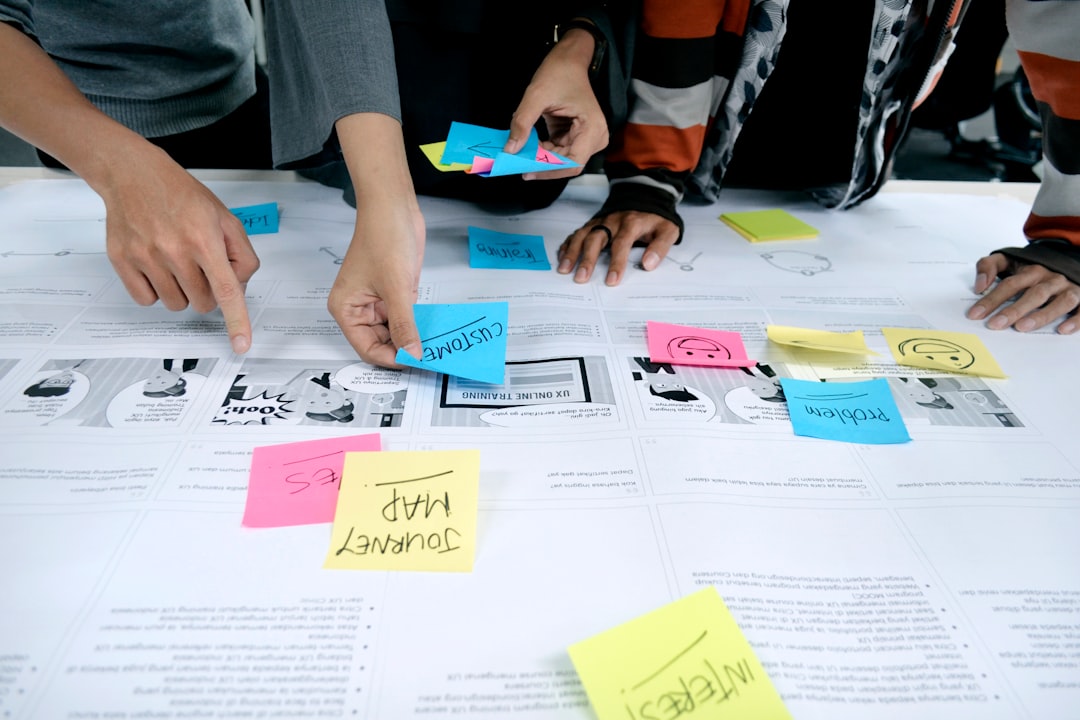
- Assign Actions and Ownership: Who will follow up on each improvement idea? Set clear timelines and responsibilities.
- Document Everything: Capture decisions and action items in a shared space where everyone can refer back later.
Common Mistakes to Avoid
Even with good intentions, reviews can fall flat. Watch out for these traps:
- Making It Too Formal: Sticking rigidly to agendas or using overly technical language can stifle honest feedback.
- Blaming Individuals: If someone feels attacked, valuable insights go unshared. Keep the focus systemic, not personal.
- No Follow-Up: Without implementing learnings, reviews lose their value. Make sure actions aren’t forgotten after the meeting ends.

Real-Life Example: When One Team Changed Everything
Picture a marketing agency delivering campaigns under tight deadlines. One quarter, a campaign launch ran behind schedule due to unclear handoffs between design and copywriting teams. Instead of brushing it off, the project manager scheduled a quick review with everyone involved.
The group discovered that briefs weren’t standardized across departments. As a result, confusion crept in repeatedly. By creating a shared template and assigning a go-between coordinator, they prevented similar delays in future launches.
The shift wasn’t revolutionary — it was subtle but effective. And it only happened because they paused to learn from past efforts.
Tools That Can Help
To get the most from your reviews, consider leveraging some common tools used by successful managers:
- Retrospective Templates: Pre-built formats guide participants through reflection stages efficiently.
- Shared Documentation Platforms: Tools that allow collaborative note-taking ensure everyone accesses recorded learnings later.
- Action Tracking Systems: Spreadsheets or digital boards help assign owners and track progress on follow-up items.
The Long-Term Impact of Regular Review Habits
Here’s the beautiful part: consistency compounds. A single thoughtful review sets a foundation. A monthly habit transforms how your team operates. Within months, you’ll see measurable shifts — better planning, smoother workflows, stronger collaboration.
And let me tell you — nothing builds trust faster than a leader who asks, reflects, learns, and grows alongside their team.
Whether you’re new to management or have years of experience, mastering this discipline gives you an edge. Because leadership isn’t about perfection — it’s about continuous improvement.
Ready to Begin?
If you’ve been waiting for the perfect moment to level up your management skills, this is it. Start small. Pick your last project. Schedule thirty minutes with your team. Ask the right questions. Listen actively. Document insights. Take action.
To dive deeper into essential management principles — including project planning, team dynamics, and strategic decision-making — explore our comprehensive course on Management. Whether you’re managing for the first time or aiming to refine your approach, you’ll gain practical frameworks grounded in real-world application.
Don’t wait until tomorrow. Don’t wait for the next big project. Start today — because every completed task holds hidden lessons. All you need is the courage to pause, reflect, and grow.